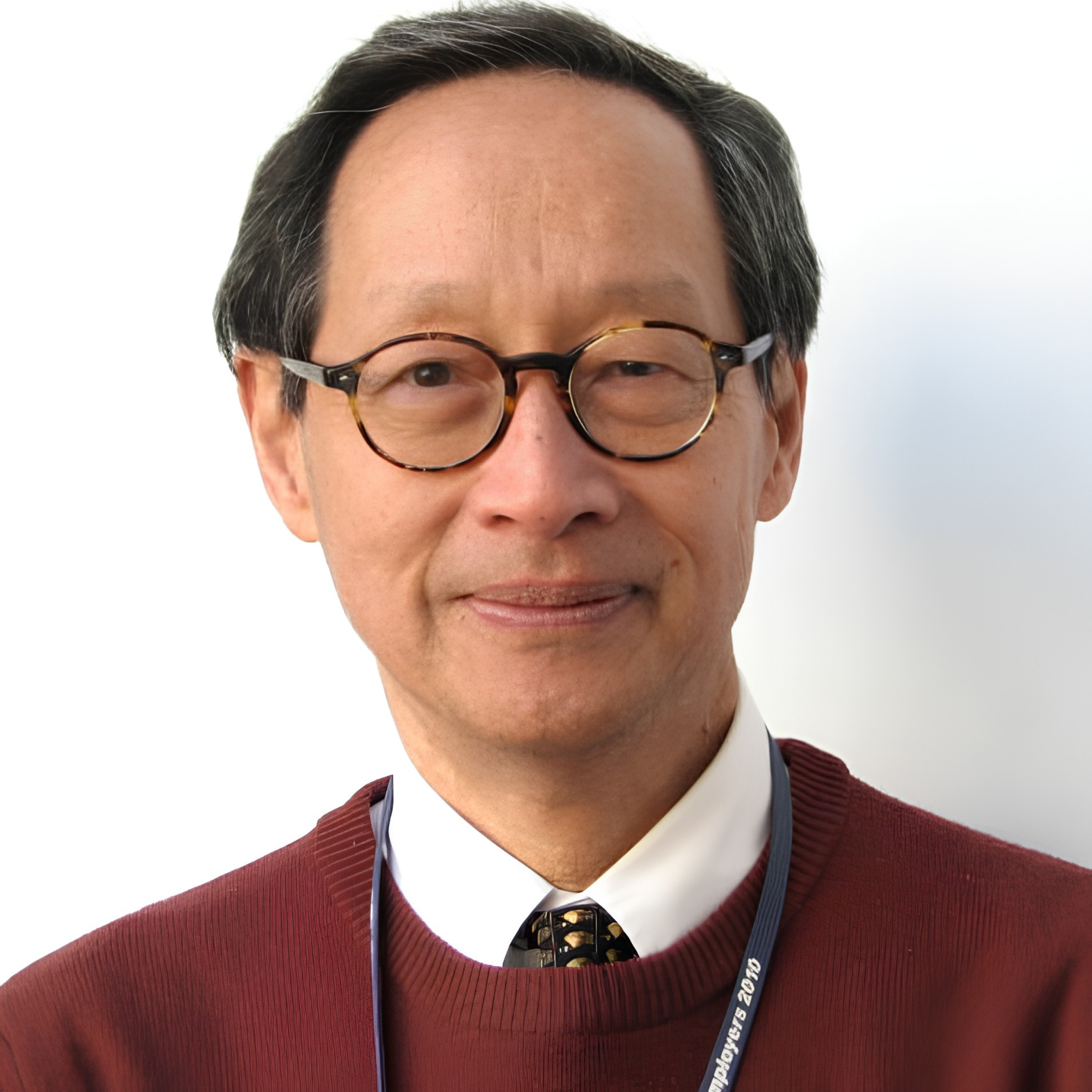
Matthew Liang, MD, MPH, MED ’67

Professor of Medicine emeritus, Harvard Medical School
Professor of Health Policy and Management (retired), Harvard T.H. Chan School of Public Health
Matthew Liang, BMS, MD, MPH, FACP, FACR, hon MSc, MACR, and member of the Dartmouth Medical School Class of 1967, has contributed to the welfare and health of learners and teachers alike as a primary care general internist, rheumatologist, researcher, and educator. Liang’s work might be unified by two simple ideas. The first is that every patient teaches us something; it is our job to figure out what those lessons are and who else might benefit.
The second idea is the concept of function, a person’s ability to care for themselves, work, play, go places, and care for others, as a central goal of healthcare and social policy. Functional ability is the final result of all disease. It is as important a vital sign as blood pressure. By its measurement in patient terms and prioritized individually, functional ability signals healthcare needs and opportunities for action.
His work has helped shape modern health education, treatment, and prevention of systemic rheumatic diseases, gout and hyperuricemia, postoperative delirium, low back pain, severe hip osteoarthritis, Lyme disease, schizophrenia, severe burn recovery, and suicide risk. He has developed new measures of patient-oriented outcomes and has described new disease and adverse outcomes. Alongside others, he established the largest cohort of participants with rheumatic and musculoskeletal disease—340,000 people—prospectively followed for decades, years before “big data” became a cornerstone of biomedical research. He has long studied the structural barriers of social inequality that affect patient outcomes and strategies for their mitigation. Outspoken in his belief in universal healthcare, he believes that healthcare needs to be more business-like, but it should never be only about business, but rather a basic human right.
Liang and JoAnn Manson, MD, received the first patent for a “polypill” of agents (a cholesterol-lowering agent, a renin-angiotensin system inhibitor, and aspirin) proven to prevent atherosclerotic heart disease. The polypill is now one of the World Health Organization’s essential medications.
His research and patient care have sought to reduce health disparities. At Boston City Hospital, he and Ben Siegal, MD, started the Family Health Center in Roxbury, and with Roger Mark, MD, PhD, Liang started a telemedicine system with nurse practitioners to care for more than 400 nursing home residents. In the U.S. Army, Liang led the implementation of AMOSIST, a national physician-extender algorithm-based triage and management program for U.S. military families, and he developed a chronic disease nurse practitioner program at Walter Reed Hospital. His study of disparities in lupus-caused deaths in the United States led him to call out structural racism and the absence of universal healthcare as a major immoral cause of inequality.
He is a founding faculty member of an academic general internal medicine and primary care program at the Peter Bent Brigham Hospital, a clinical science training program at the Robert B. Brigham Hospital, and the Clinical Effectiveness Program at the Harvard T.H. Chan School of Public Health. The programs have had over 5,000 graduates, many of whom have become acclaimed leaders in their own right. His group’s success in rheumatology, rehabilitation, and orthopedics was the model for the National Institutes of Health career development pathway for clinician-scientists.
A professorship in his name for population health is established at Brigham and Women's Hospital and Harvard Medical School. We bestow the 2026 Career Achievement Award to recognize his lifetime of work advancing science and improving patient outcomes.
Return to Alumni Awards Homepage